Back to all posts
Skin

GHK-Cu Peptide Therapy

June 8, 2026

GHK-Cu Peptide Therapy: The Definitive Clinical Guide to Gene Modulation, Protocols, and Efficacy
/ Functional Medicine, Health & Wellness, Men’s Health, Non-Sterile Compounding, Women’s Health / By Dr. Michael Nguyen, BSPharm, PharmD
Introduction

Beyond the surface-level benefits of skin and hair rejuvenation lies a peptide with the power to influence your genetic expression. This is GHK-Cu. While many molecules offer targeted benefits, this naturally occurring copper complex operates on a fundamentally deeper level, orchestrating a symphony of regenerative processes by communicating directly with your DNA.

This is not another list of benefits. This is a clinical-level guide synthesizing findings from primary scientific literature to provide a definitive resource for the bio-hacker, clinician, and advanced user. The information presented here is curated to reflect the high standards of clinical practice upheld by the experts at Ipharma Pharmacy, ensuring a foundation in scientific evidence and practical application.

This guide delivers a comprehensive analysis of GHK-Cu’s gene-modulating power, moving beyond anecdotal claims to explore its documented epigenetic impact. We will provide detailed administration protocols for both systemic (injectable) and topical use, addressing the critical need for precise, goal-oriented dosage information. Finally, we will conduct a data-driven comparison of GHK-Cu peptide therapy against conventional treatments for hair loss and skin aging, empowering you with the knowledge to make informed decisions. Welcome to the definitive resource on GHK-Cu.

Understanding the Landscape: Why GHK-Cu is a Groundbreaking Peptide
The Discovery and Significance of a Human Copper-Binding Peptide
The Current Challenges in Regenerative Medicine It Addresses
The Epigenetic Revolution: GHK-Cu as a Gene Modulator
What is Gene Modulation? A Primer for the Advanced User
GHK-Cu’s Impact on the Human Genome: Resetting Thousands of Genes
Clinical Application: A Practical Guide to Administration & Protocols
Systemic Therapy: Subcutaneous Injection Protocols
Topical Therapy: Serums for Skin and Hair Regeneration
Comparative Efficacy Analysis: GHK-Cu vs. The Alternatives
GHK-Cu vs. Minoxidil for Hair Regrowth
GHK-Cu vs. PRP (Platelet-Rich Plasma) for Skin & Hair
GHK-Cu vs. Other Peptides (e.g., Ipamorelin, CJC-1295)
Conclusion
Frequently Asked Questions (FAQ)
What are the potential side effects of GHK-Cu injections?
How long does it take to see results from GHK-Cu for hair loss?
Can GHK-Cu be used alongside Retin-A or Vitamin C serums?
Is there a difference between GHK and GHK-Cu?

A 3D molecular model of the GHK-Cu peptide, showing the tripeptide structure complexed with a central copper ion.
The bioactive GHK-Cu complex, where a copper ion binds to the GHK peptide, unlocking its profound regenerative capabilities.
Understanding the Landscape: Why GHK-Cu is a Groundbreaking Peptide

To fully appreciate the clinical potential of GHK-Cu, one must first understand its unique position within the broader field of regenerative medicine. It is not a synthetic drug designed to block or force a single biological pathway; rather, it is a biomimetic signaling molecule that restores cellular function to a more youthful and functional state.
The Discovery and Significance of a Human Copper-Binding Peptide

The story of GHK-Cu begins in 1973, when Dr. Loren Pickart isolated the tripeptide glycyl-L-histidyl-L-lysine (GHK) from human plasma. Early research published in esteemed journals, accessible through PubMed, revealed a remarkable phenomenon: older liver cells, when exposed to blood from younger subjects, began to function like their younger counterparts. The active molecule responsible for this rejuvenation was identified as GHK.

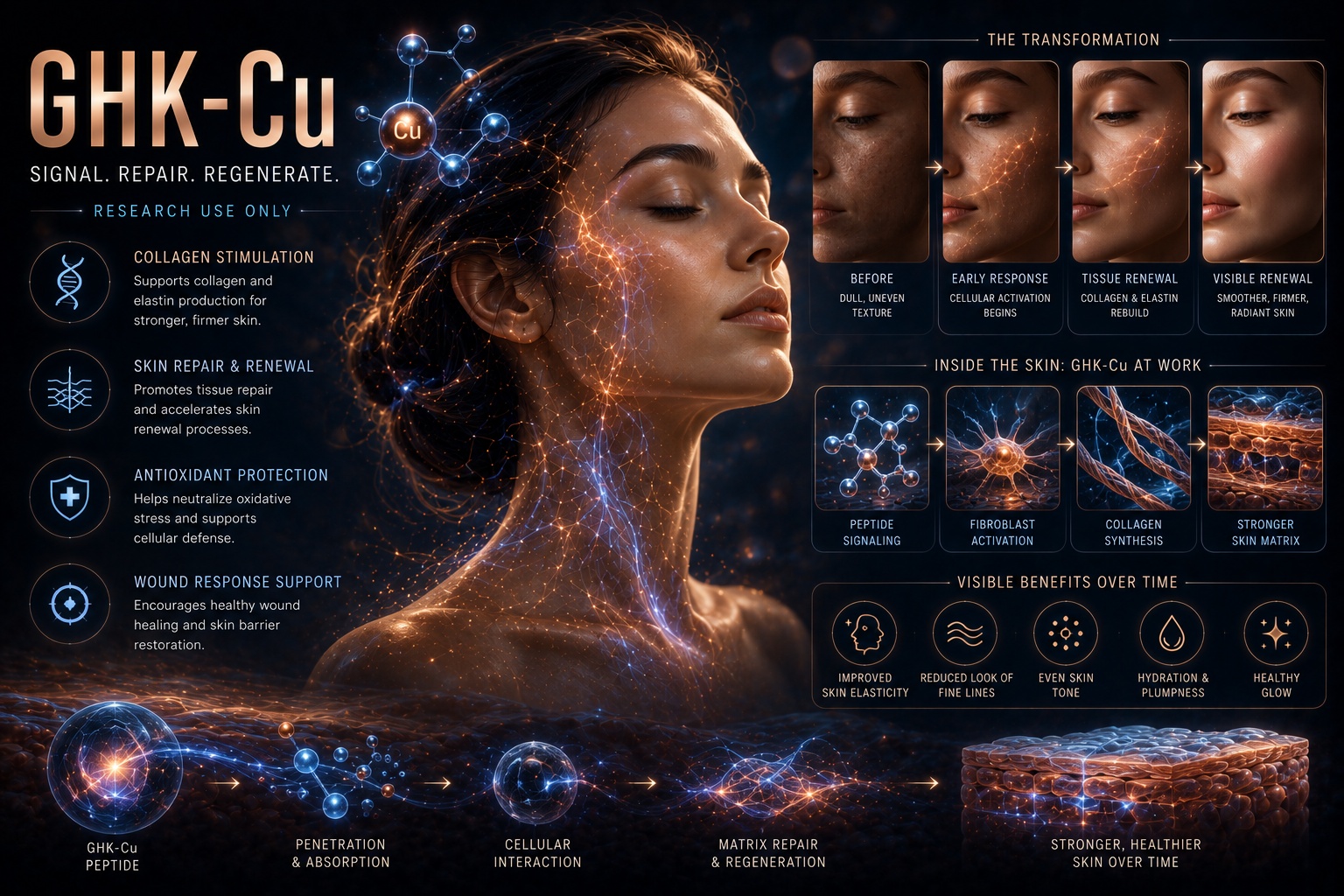
Its significance is rooted in its endogenous nature. The ghk-cu peptide is naturally present in our bodies, particularly in plasma, saliva, and urine, though its concentration declines sharply with age. This inherent biocompatibility means the body recognizes it and knows how to use it, minimizing the risk of adverse reactions often associated with foreign substances. When GHK binds with a copper ion (Cu2+), it forms the copper peptide GHK-Cu, the bioactive complex responsible for its profound regenerative effects.
The Current Challenges in Regenerative Medicine It Addresses

Modern medicine faces significant challenges in managing conditions characterized by chronic, low-grade inflammation and a diminished capacity for tissue repair—hallmarks of the aging process. GHK-Cu directly addresses these core issues. Its primary ghk-cu benefits stem from its ability to orchestrate a complex, multi-faceted healing response.

Wound Healing: It accelerates repair by stimulating the synthesis of collagen and other key extracellular matrix components, while also promoting angiogenesis (the formation of new blood vessels). This makes it invaluable for both acute injuries and chronic, non-healing wounds.
Anti-Inflammatory Action: GHK-Cu exhibits potent anti-inflammatory properties by modulating cytokine expression, suppressing the activity of pro-inflammatory signals like NF-κB and TNF-alpha. This helps quell the systemic inflammation that drives many age-related diseases.
Tissue Remodeling: Unlike molecules that simply promote cell proliferation, GHK-Cu is a master regulator of tissue remodeling. It helps break down old, scarred tissue while simultaneously building healthy, new tissue, a crucial process in both skin rejuvenation and organ repair.

The Epigenetic Revolution: GHK-Cu as a Gene Modulator

The most profound function of GHK-Cu, and what sets it apart from nearly all other peptides, is its role as an epigenetic agent. It doesn’t alter the genetic code itself but rather influences which genes are switched “on” or “off,” effectively resetting cellular behavior to a healthier, more youthful state.
What is Gene Modulation? A Primer for the Advanced User

Gene modulation refers to the process of altering gene expression without changing the underlying DNA sequence. Every cell in your body contains the same genetic blueprint, but its function is determined by which genes are actively transcribed into proteins. Epigenetic mechanisms are the “software” that directs this process. As we age or experience chronic stress, this software can become corrupted—pro-inflammatory genes may become overactive, while genes responsible for repair and antioxidant defense become suppressed. A gene modulator is a molecule that can interact with this system to restore a more favorable pattern of expression.
GHK-Cu’s Impact on the Human Genome: Resetting Thousands of Genes

The power of ghk-cu gene modulation is not theoretical; it is a documented phenomenon. Landmark studies, including those published on NCBI/PubMed, have utilized microarray analysis to map GHK-Cu’s effect on the human genome. The results are staggering: GHK-Cu was found to influence the expression of over 4,000 human genes, effectively “resetting” them towards a healthier state.
Diagram of GHK-Cu Gene Modulation

This copper peptide gene regulation manifests in several clinically significant ways:

Downregulation of Pro-Inflammatory Genes: It actively suppresses genes associated with inflammation, such as those in the IL-6 and NF-κB pathways, which are major drivers of cellular aging.
Upregulation of Antioxidant and Repair Genes: It increases the expression of genes responsible for DNA repair, antioxidant production (e.g., superoxide dismutase), and the synthesis of structural proteins like collagen and elastin.
Modulation of Cell Proliferation and Apoptosis: GHK-Cu promotes the health of stem cells and has demonstrated an ability to suppress genes linked to certain cancers while promoting programmed cell death (apoptosis) in abnormal cells.

Diagram illustrating the epigenetic effect of GHK-Cu, showing it switching off inflammatory genes and switching on repair genes on a DNA strand.
GHK-Cu acts as an epigenetic switch, helping to restore a more youthful and healthy pattern of gene expression in cells.

Conceptual Illustration: The GHK-Cu Gene Reset

———————————————————————-
| AGING CELLULAR STATE | —> GHK-Cu —> | YOUTHFUL CELLULAR STATE |
———————————————————————-
| ↑ Pro-Inflammatory Genes (NF-κB) | | ↓ Pro-Inflammatory Genes (NF-κB) |
| ↓ Antioxidant Genes (SOD) | GENE MODULATION | ↑ Antioxidant Genes (SOD) |
| ↓ DNA Repair Genes | | ↑ DNA Repair Genes |
| ↑ Fibrosis-related Genes | | ↓ Fibrosis-related Genes |
| ↓ Collagen Synthesis | | ↑ Collagen Synthesis |
———————————————————————-

This broad-spectrum genetic influence explains why GHK-Cu has such diverse benefits, from reducing ghk-cu inflammation to promoting tissue regeneration. It is not targeting a single symptom but rather restoring the underlying cellular machinery.
Clinical Application: A Practical Guide to Administration & Protocols

Translating the science of GHK-Cu into effective clinical practice requires a nuanced understanding of administration methods, dosages, and cycles. The optimal ghk-cu protocol depends entirely on the therapeutic goal, distinguishing between systemic effects and localized treatment.
A split-screen illustration comparing the two administration methods for GHK-Cu: a subcutaneous injection for systemic effects and a topical serum for localized skin and hair treatment.
GHK-Cu can be administered systemically via injection for overall wellness or applied topically for targeted skin and hair regeneration.
Systemic Therapy: Subcutaneous Injection Protocols

For systemic anti-aging, inflammation control, and general wellness, subcutaneous ghk-cu injection is the preferred method as it ensures bioavailability. Proper reconstitution of the lyophilized peptide with bacteriostatic water is the first critical step. Dosages are patient-specific but generally fall within a well-established therapeutic window.
GHK-Cu Injection Protocol Chart

The following table provides standardized protocols based on common clinical goals. It is essential to cycle GHK-Cu to maintain receptor sensitivity and avoid copper dysregulation. A typical cycle involves injections for a set period, followed by an equivalent “off” period.
Therapeutic Goal Daily Dosage Range Injection Frequency Typical Cycle Duration
Systemic Anti-Inflammation 1.0 – 2.0 mg Daily (5 days on/2 off) 30-60 days on, 30-60 off
General Wellness & Anti-Aging 0.5 – 1.5 mg Daily or Every Other Day 30 days on, 30 days off
Acute Injury Repair 1.5 – 2.5 mg Daily 10-14 days, then re-evaluate

Note: This table is for informational purposes. The precise ghk-cu dosage should be determined in consultation with a qualified healthcare provider.
Topical Therapy: Serums for Skin and Hair Regeneration

For localized concerns, topical application is highly effective. GHK-Cu has a low molecular weight, allowing it to penetrate the stratum corneum and exert its effects directly on dermal and follicular cells.

GHK-Cu for Skin: In skincare, GHK-Cu stimulates fibroblasts to produce collagen and elastin, reduces hyperpigmentation, and improves skin elasticity. A copper peptide serum with a concentration of 1% to 3% is considered the clinical standard for visible results in skin firmness and wrinkle reduction.
GHK-Cu for Hair Loss: When applied to the scalp, GHK-Cu works to counteract follicular miniaturization, a key factor in androgenetic alopecia. It increases follicle size, stimulates angiogenesis to improve blood supply, and prolongs the anagen (growth) phase of the hair cycle. Concentrations for hair serums are typically similar to those for skin, ranging from 1.5% to 3%.

Stacking GHK-Cu: Synergies with Other Peptides and Treatments

GHK-Cu’s efficacy can be amplified when used in combination with other regenerative therapies. This practice, known as stacking, creates a synergistic effect.

A common ghk-cu stack involves combining it with BPC-157 for accelerated injury repair. The bpc-157 ghk-cu combination leverages BPC-157’s systemic healing and GHK-Cu’s localized tissue remodeling capabilities. For dermatological applications, using a GHK-Cu serum following microneedling dramatically enhances peptide absorption and stimulates a more robust collagen induction response.
Comparative Efficacy Analysis: GHK-Cu vs. The Alternatives

Making an informed decision about regenerative therapies requires a clear-eyed comparison of their mechanisms, benefits, and limitations. Here, we analyze GHK-Cu against common treatments for hair loss and skin aging.
GHK-Cu vs. Minoxidil for Hair Regrowth

The comparison of ghk-cu vs minoxidil is a study in contrasting mechanisms. Minoxidil is primarily a vasodilator; it works by widening blood vessels to increase blood flow to the hair follicle. While effective for some, it does not address the underlying health of the follicle itself and its effects cease upon discontinuation.

GHK-Cu, in contrast, promotes ghk-cu hair regrowth through a multi-pronged, regenerative approach. Clinical studies have shown it can increase hair follicle size, inhibit the 5-alpha reductase enzyme (similarly to Finasteride), stimulate collagen production for a healthier scalp environment, and promote angiogenesis. Some research suggests its efficacy in stimulating hair growth is comparable to that of 5% Minoxidil, but it achieves this by rebuilding the follicular ecosystem rather than simply increasing blood flow.
A medical diagram comparing how Minoxidil (vasodilation) and GHK-Cu (follicle regeneration) work to promote hair regrowth.
While Minoxidil primarily increases blood flow, GHK-Cu works to rebuild the follicle’s health and structure from the ground up.

GHK-Cu vs. PRP (Platelet-Rich Plasma) for Skin & Hair

The ghk-cu vs prp debate centers on accessibility, mechanism, and invasiveness. PRP therapy involves drawing a patient’s own blood, concentrating the platelets, and reinjecting them into the target area. It is autologous and rich in growth factors. However, it is an invasive, often painful procedure with significant cost and downtime.

GHK-Cu offers a non-invasive (topical) or minimally invasive (subcutaneous) alternative. While PRP provides a bolus of general growth factors, GHK-Cu acts as a precise genetic signal, modulating thousands of genes to promote regeneration. This makes peptide therapy for skin and hair a more targeted and accessible approach. The two can also be used synergistically, with GHK-Cu serum applied post-PRP treatment to enhance and sustain the regenerative effects.
GHK-Cu vs. Other Peptides (e.g., Ipamorelin, CJC-1295)

A common point of confusion is comparing GHK-Cu to other popular peptides. This demonstrates a misunderstanding of their distinct roles. Peptides like Ipamorelin and CJC-1295 are growth hormone secretagogues (GHS). Their primary function is to stimulate the pituitary gland to release more of the body’s own Human Growth Hormone (HGH). While HGH has systemic regenerative benefits, it is an indirect mechanism.

GHK-Cu is not a secretagogue. It is a direct-acting, cell-remodeling and gene-modulating peptide. It works locally at the cellular level to repair tissue, reduce inflammation, and reset gene expression. They are not interchangeable; they are complementary tools for different biological objectives. Using a GHS can support systemic health, while GHK-Cu provides targeted tissue repair and epigenetic regulation.
Conclusion

GHK-Cu is unequivocally more than a cosmetic peptide; it is a powerful gene-modulating agent with profound systemic and topical applications. From accelerating wound healing and stimulating hair regrowth to its foundational role in reducing inflammation and resetting cellular gene expression, GHK-Cu represents a sophisticated approach to regenerative medicine.

Understanding the clinical protocols, administration methods, and comparative efficacy is the key to leveraging its full potential. By moving beyond a superficial understanding of its benefits and embracing the complex science of its mechanism, users can unlock a new tier of proactive health management. The future of personalized medicine lies in these intelligent, biomimetic molecules that work with our bodies to restore function from the genetic level up.

For those seeking to address concerns like hair loss with clinically proven methods, personalized guidance is paramount. Schedule a Hair Loss Consultation to explore how advanced therapies can be tailored to your specific needs.
Frequently Asked Questions (FAQ)
1. What are the potential side effects of GHK-Cu injections?

The most common side effect is temporary site irritation, including redness, itching, or mild pain at the injection location. Systemically, because it involves copper, there is a theoretical risk of copper overload with prolonged, high-dose use without proper cycling. It’s crucial to adhere to recommended cycle lengths (e.g., 30-60 days on, followed by an equal period off) to prevent this and maintain efficacy.
2. How long does it take to see results from GHK-Cu for hair loss?

Patience is essential. The hair growth cycle is long, consisting of anagen (growth), catagen (transition), and telogen (resting) phases. GHK-Cu works by stimulating follicles and extending the anagen phase. Visible results, such as reduced shedding and increased vellus hair (“peach fuzz”), may be noticeable within 2-3 months, but significant improvements in density and thickness often take 4-6 months of consistent daily application.
3. Can GHK-Cu be used alongside Retin-A or Vitamin C serums?

Yes, but with specific timing. Both L-ascorbic acid (Vitamin C) and retinoids thrive in a low-pH (acidic) environment, while GHK-Cu is most stable and effective at a more neutral pH. Using them simultaneously can destabilize the copper peptide and reduce the efficacy of all products. The best practice is to use Vitamin C serums in the morning and GHK-Cu and/or retinoids in the evening, allowing several minutes between product applications.
4. Is there a difference between GHK and GHK-Cu?

Yes, and the distinction is critical. GHK is the tripeptide (glycyl-L-histidyl-L-lysine) on its own. GHK-Cu is the complex formed when the GHK peptide binds with a copper 2+ ion. This complexation is what makes the molecule biologically active and effective. While GHK alone has some biological activity, it is the GHK-Cu form that is responsible for the vast majority of the regenerative, anti-inflammatory, and gene-modulating effects discussed in clinical research.

Back to all posts
Skin

GHK-Cu Peptide Therapy

June 8, 2026

GHK-Cu Peptide Therapy: The Definitive Clinical Guide to Gene Modulation, Protocols, and Efficacy
/ Functional Medicine, Health & Wellness, Men’s Health, Non-Sterile Compounding, Women’s Health / By Dr. Michael Nguyen, BSPharm, PharmD
Introduction

Beyond the surface-level benefits of skin and hair rejuvenation lies a peptide with the power to influence your genetic expression. This is GHK-Cu. While many molecules offer targeted benefits, this naturally occurring copper complex operates on a fundamentally deeper level, orchestrating a symphony of regenerative processes by communicating directly with your DNA.

This is not another list of benefits. This is a clinical-level guide synthesizing findings from primary scientific literature to provide a definitive resource for the bio-hacker, clinician, and advanced user. The information presented here is curated to reflect the high standards of clinical practice upheld by the experts at Ipharma Pharmacy, ensuring a foundation in scientific evidence and practical application.

This guide delivers a comprehensive analysis of GHK-Cu’s gene-modulating power, moving beyond anecdotal claims to explore its documented epigenetic impact. We will provide detailed administration protocols for both systemic (injectable) and topical use, addressing the critical need for precise, goal-oriented dosage information. Finally, we will conduct a data-driven comparison of GHK-Cu peptide therapy against conventional treatments for hair loss and skin aging, empowering you with the knowledge to make informed decisions. Welcome to the definitive resource on GHK-Cu.

Understanding the Landscape: Why GHK-Cu is a Groundbreaking Peptide
The Discovery and Significance of a Human Copper-Binding Peptide
The Current Challenges in Regenerative Medicine It Addresses
The Epigenetic Revolution: GHK-Cu as a Gene Modulator
What is Gene Modulation? A Primer for the Advanced User
GHK-Cu’s Impact on the Human Genome: Resetting Thousands of Genes
Clinical Application: A Practical Guide to Administration & Protocols
Systemic Therapy: Subcutaneous Injection Protocols
Topical Therapy: Serums for Skin and Hair Regeneration
Comparative Efficacy Analysis: GHK-Cu vs. The Alternatives
GHK-Cu vs. Minoxidil for Hair Regrowth
GHK-Cu vs. PRP (Platelet-Rich Plasma) for Skin & Hair
GHK-Cu vs. Other Peptides (e.g., Ipamorelin, CJC-1295)
Conclusion
Frequently Asked Questions (FAQ)
What are the potential side effects of GHK-Cu injections?
How long does it take to see results from GHK-Cu for hair loss?
Can GHK-Cu be used alongside Retin-A or Vitamin C serums?
Is there a difference between GHK and GHK-Cu?

A 3D molecular model of the GHK-Cu peptide, showing the tripeptide structure complexed with a central copper ion.
The bioactive GHK-Cu complex, where a copper ion binds to the GHK peptide, unlocking its profound regenerative capabilities.
Understanding the Landscape: Why GHK-Cu is a Groundbreaking Peptide

To fully appreciate the clinical potential of GHK-Cu, one must first understand its unique position within the broader field of regenerative medicine. It is not a synthetic drug designed to block or force a single biological pathway; rather, it is a biomimetic signaling molecule that restores cellular function to a more youthful and functional state.
The Discovery and Significance of a Human Copper-Binding Peptide

The story of GHK-Cu begins in 1973, when Dr. Loren Pickart isolated the tripeptide glycyl-L-histidyl-L-lysine (GHK) from human plasma. Early research published in esteemed journals, accessible through PubMed, revealed a remarkable phenomenon: older liver cells, when exposed to blood from younger subjects, began to function like their younger counterparts. The active molecule responsible for this rejuvenation was identified as GHK.

Its significance is rooted in its endogenous nature. The ghk-cu peptide is naturally present in our bodies, particularly in plasma, saliva, and urine, though its concentration declines sharply with age. This inherent biocompatibility means the body recognizes it and knows how to use it, minimizing the risk of adverse reactions often associated with foreign substances. When GHK binds with a copper ion (Cu2+), it forms the copper peptide GHK-Cu, the bioactive complex responsible for its profound regenerative effects.
The Current Challenges in Regenerative Medicine It Addresses

Modern medicine faces significant challenges in managing conditions characterized by chronic, low-grade inflammation and a diminished capacity for tissue repair—hallmarks of the aging process. GHK-Cu directly addresses these core issues. Its primary ghk-cu benefits stem from its ability to orchestrate a complex, multi-faceted healing response.

Wound Healing: It accelerates repair by stimulating the synthesis of collagen and other key extracellular matrix components, while also promoting angiogenesis (the formation of new blood vessels). This makes it invaluable for both acute injuries and chronic, non-healing wounds.
Anti-Inflammatory Action: GHK-Cu exhibits potent anti-inflammatory properties by modulating cytokine expression, suppressing the activity of pro-inflammatory signals like NF-κB and TNF-alpha. This helps quell the systemic inflammation that drives many age-related diseases.
Tissue Remodeling: Unlike molecules that simply promote cell proliferation, GHK-Cu is a master regulator of tissue remodeling. It helps break down old, scarred tissue while simultaneously building healthy, new tissue, a crucial process in both skin rejuvenation and organ repair.

The Epigenetic Revolution: GHK-Cu as a Gene Modulator

The most profound function of GHK-Cu, and what sets it apart from nearly all other peptides, is its role as an epigenetic agent. It doesn’t alter the genetic code itself but rather influences which genes are switched “on” or “off,” effectively resetting cellular behavior to a healthier, more youthful state.
What is Gene Modulation? A Primer for the Advanced User

Gene modulation refers to the process of altering gene expression without changing the underlying DNA sequence. Every cell in your body contains the same genetic blueprint, but its function is determined by which genes are actively transcribed into proteins. Epigenetic mechanisms are the “software” that directs this process. As we age or experience chronic stress, this software can become corrupted—pro-inflammatory genes may become overactive, while genes responsible for repair and antioxidant defense become suppressed. A gene modulator is a molecule that can interact with this system to restore a more favorable pattern of expression.
GHK-Cu’s Impact on the Human Genome: Resetting Thousands of Genes

The power of ghk-cu gene modulation is not theoretical; it is a documented phenomenon. Landmark studies, including those published on NCBI/PubMed, have utilized microarray analysis to map GHK-Cu’s effect on the human genome. The results are staggering: GHK-Cu was found to influence the expression of over 4,000 human genes, effectively “resetting” them towards a healthier state.
Diagram of GHK-Cu Gene Modulation

This copper peptide gene regulation manifests in several clinically significant ways:

Downregulation of Pro-Inflammatory Genes: It actively suppresses genes associated with inflammation, such as those in the IL-6 and NF-κB pathways, which are major drivers of cellular aging.
Upregulation of Antioxidant and Repair Genes: It increases the expression of genes responsible for DNA repair, antioxidant production (e.g., superoxide dismutase), and the synthesis of structural proteins like collagen and elastin.
Modulation of Cell Proliferation and Apoptosis: GHK-Cu promotes the health of stem cells and has demonstrated an ability to suppress genes linked to certain cancers while promoting programmed cell death (apoptosis) in abnormal cells.

Diagram illustrating the epigenetic effect of GHK-Cu, showing it switching off inflammatory genes and switching on repair genes on a DNA strand.
GHK-Cu acts as an epigenetic switch, helping to restore a more youthful and healthy pattern of gene expression in cells.

Conceptual Illustration: The GHK-Cu Gene Reset

———————————————————————-
| AGING CELLULAR STATE | —> GHK-Cu —> | YOUTHFUL CELLULAR STATE |
———————————————————————-
| ↑ Pro-Inflammatory Genes (NF-κB) | | ↓ Pro-Inflammatory Genes (NF-κB) |
| ↓ Antioxidant Genes (SOD) | GENE MODULATION | ↑ Antioxidant Genes (SOD) |
| ↓ DNA Repair Genes | | ↑ DNA Repair Genes |
| ↑ Fibrosis-related Genes | | ↓ Fibrosis-related Genes |
| ↓ Collagen Synthesis | | ↑ Collagen Synthesis |
———————————————————————-

This broad-spectrum genetic influence explains why GHK-Cu has such diverse benefits, from reducing ghk-cu inflammation to promoting tissue regeneration. It is not targeting a single symptom but rather restoring the underlying cellular machinery.
Clinical Application: A Practical Guide to Administration & Protocols

Translating the science of GHK-Cu into effective clinical practice requires a nuanced understanding of administration methods, dosages, and cycles. The optimal ghk-cu protocol depends entirely on the therapeutic goal, distinguishing between systemic effects and localized treatment.
A split-screen illustration comparing the two administration methods for GHK-Cu: a subcutaneous injection for systemic effects and a topical serum for localized skin and hair treatment.
GHK-Cu can be administered systemically via injection for overall wellness or applied topically for targeted skin and hair regeneration.
Systemic Therapy: Subcutaneous Injection Protocols

For systemic anti-aging, inflammation control, and general wellness, subcutaneous ghk-cu injection is the preferred method as it ensures bioavailability. Proper reconstitution of the lyophilized peptide with bacteriostatic water is the first critical step. Dosages are patient-specific but generally fall within a well-established therapeutic window.
GHK-Cu Injection Protocol Chart

The following table provides standardized protocols based on common clinical goals. It is essential to cycle GHK-Cu to maintain receptor sensitivity and avoid copper dysregulation. A typical cycle involves injections for a set period, followed by an equivalent “off” period.
Therapeutic Goal Daily Dosage Range Injection Frequency Typical Cycle Duration
Systemic Anti-Inflammation 1.0 – 2.0 mg Daily (5 days on/2 off) 30-60 days on, 30-60 off
General Wellness & Anti-Aging 0.5 – 1.5 mg Daily or Every Other Day 30 days on, 30 days off
Acute Injury Repair 1.5 – 2.5 mg Daily 10-14 days, then re-evaluate

Note: This table is for informational purposes. The precise ghk-cu dosage should be determined in consultation with a qualified healthcare provider.
Topical Therapy: Serums for Skin and Hair Regeneration

For localized concerns, topical application is highly effective. GHK-Cu has a low molecular weight, allowing it to penetrate the stratum corneum and exert its effects directly on dermal and follicular cells.

GHK-Cu for Skin: In skincare, GHK-Cu stimulates fibroblasts to produce collagen and elastin, reduces hyperpigmentation, and improves skin elasticity. A copper peptide serum with a concentration of 1% to 3% is considered the clinical standard for visible results in skin firmness and wrinkle reduction.
GHK-Cu for Hair Loss: When applied to the scalp, GHK-Cu works to counteract follicular miniaturization, a key factor in androgenetic alopecia. It increases follicle size, stimulates angiogenesis to improve blood supply, and prolongs the anagen (growth) phase of the hair cycle. Concentrations for hair serums are typically similar to those for skin, ranging from 1.5% to 3%.

Stacking GHK-Cu: Synergies with Other Peptides and Treatments

GHK-Cu’s efficacy can be amplified when used in combination with other regenerative therapies. This practice, known as stacking, creates a synergistic effect.

A common ghk-cu stack involves combining it with BPC-157 for accelerated injury repair. The bpc-157 ghk-cu combination leverages BPC-157’s systemic healing and GHK-Cu’s localized tissue remodeling capabilities. For dermatological applications, using a GHK-Cu serum following microneedling dramatically enhances peptide absorption and stimulates a more robust collagen induction response.
Comparative Efficacy Analysis: GHK-Cu vs. The Alternatives

Making an informed decision about regenerative therapies requires a clear-eyed comparison of their mechanisms, benefits, and limitations. Here, we analyze GHK-Cu against common treatments for hair loss and skin aging.
GHK-Cu vs. Minoxidil for Hair Regrowth

The comparison of ghk-cu vs minoxidil is a study in contrasting mechanisms. Minoxidil is primarily a vasodilator; it works by widening blood vessels to increase blood flow to the hair follicle. While effective for some, it does not address the underlying health of the follicle itself and its effects cease upon discontinuation.

GHK-Cu, in contrast, promotes ghk-cu hair regrowth through a multi-pronged, regenerative approach. Clinical studies have shown it can increase hair follicle size, inhibit the 5-alpha reductase enzyme (similarly to Finasteride), stimulate collagen production for a healthier scalp environment, and promote angiogenesis. Some research suggests its efficacy in stimulating hair growth is comparable to that of 5% Minoxidil, but it achieves this by rebuilding the follicular ecosystem rather than simply increasing blood flow.
A medical diagram comparing how Minoxidil (vasodilation) and GHK-Cu (follicle regeneration) work to promote hair regrowth.
While Minoxidil primarily increases blood flow, GHK-Cu works to rebuild the follicle’s health and structure from the ground up.

GHK-Cu vs. PRP (Platelet-Rich Plasma) for Skin & Hair

The ghk-cu vs prp debate centers on accessibility, mechanism, and invasiveness. PRP therapy involves drawing a patient’s own blood, concentrating the platelets, and reinjecting them into the target area. It is autologous and rich in growth factors. However, it is an invasive, often painful procedure with significant cost and downtime.

GHK-Cu offers a non-invasive (topical) or minimally invasive (subcutaneous) alternative. While PRP provides a bolus of general growth factors, GHK-Cu acts as a precise genetic signal, modulating thousands of genes to promote regeneration. This makes peptide therapy for skin and hair a more targeted and accessible approach. The two can also be used synergistically, with GHK-Cu serum applied post-PRP treatment to enhance and sustain the regenerative effects.
GHK-Cu vs. Other Peptides (e.g., Ipamorelin, CJC-1295)

A common point of confusion is comparing GHK-Cu to other popular peptides. This demonstrates a misunderstanding of their distinct roles. Peptides like Ipamorelin and CJC-1295 are growth hormone secretagogues (GHS). Their primary function is to stimulate the pituitary gland to release more of the body’s own Human Growth Hormone (HGH). While HGH has systemic regenerative benefits, it is an indirect mechanism.

GHK-Cu is not a secretagogue. It is a direct-acting, cell-remodeling and gene-modulating peptide. It works locally at the cellular level to repair tissue, reduce inflammation, and reset gene expression. They are not interchangeable; they are complementary tools for different biological objectives. Using a GHS can support systemic health, while GHK-Cu provides targeted tissue repair and epigenetic regulation.
Conclusion

GHK-Cu is unequivocally more than a cosmetic peptide; it is a powerful gene-modulating agent with profound systemic and topical applications. From accelerating wound healing and stimulating hair regrowth to its foundational role in reducing inflammation and resetting cellular gene expression, GHK-Cu represents a sophisticated approach to regenerative medicine.

Understanding the clinical protocols, administration methods, and comparative efficacy is the key to leveraging its full potential. By moving beyond a superficial understanding of its benefits and embracing the complex science of its mechanism, users can unlock a new tier of proactive health management. The future of personalized medicine lies in these intelligent, biomimetic molecules that work with our bodies to restore function from the genetic level up.

For those seeking to address concerns like hair loss with clinically proven methods, personalized guidance is paramount. Schedule a Hair Loss Consultation to explore how advanced therapies can be tailored to your specific needs.
Frequently Asked Questions (FAQ)
1. What are the potential side effects of GHK-Cu injections?

The most common side effect is temporary site irritation, including redness, itching, or mild pain at the injection location. Systemically, because it involves copper, there is a theoretical risk of copper overload with prolonged, high-dose use without proper cycling. It’s crucial to adhere to recommended cycle lengths (e.g., 30-60 days on, followed by an equal period off) to prevent this and maintain efficacy.
2. How long does it take to see results from GHK-Cu for hair loss?

Patience is essential. The hair growth cycle is long, consisting of anagen (growth), catagen (transition), and telogen (resting) phases. GHK-Cu works by stimulating follicles and extending the anagen phase. Visible results, such as reduced shedding and increased vellus hair (“peach fuzz”), may be noticeable within 2-3 months, but significant improvements in density and thickness often take 4-6 months of consistent daily application.
3. Can GHK-Cu be used alongside Retin-A or Vitamin C serums?

Yes, but with specific timing. Both L-ascorbic acid (Vitamin C) and retinoids thrive in a low-pH (acidic) environment, while GHK-Cu is most stable and effective at a more neutral pH. Using them simultaneously can destabilize the copper peptide and reduce the efficacy of all products. The best practice is to use Vitamin C serums in the morning and GHK-Cu and/or retinoids in the evening, allowing several minutes between product applications.
4. Is there a difference between GHK and GHK-Cu?

Yes, and the distinction is critical. GHK is the tripeptide (glycyl-L-histidyl-L-lysine) on its own. GHK-Cu is the complex formed when the GHK peptide binds with a copper 2+ ion. This complexation is what makes the molecule biologically active and effective. While GHK alone has some biological activity, it is the GHK-Cu form that is responsible for the vast majority of the regenerative, anti-inflammatory, and gene-modulating effects discussed in clinical research.