Back to all posts
Hormone / Libido Support

Gonadorelin for Bodybuilders: Post-Cycle Therapy and Hormonal Recovery
June 26, 2026

For bodybuilders and performance athletes, completing an anabolic steroid cycle is only part of the process. Equally important is restoring the body’s natural testosterone production after exogenous hormones have suppressed the hypothalamic-pituitary-gonadal (HPG) axis. Without an effective recovery strategy, suppressed hormone levels can contribute to muscle loss, reduced strength, fatigue, low libido, mood disturbances, and prolonged endocrine dysfunction.

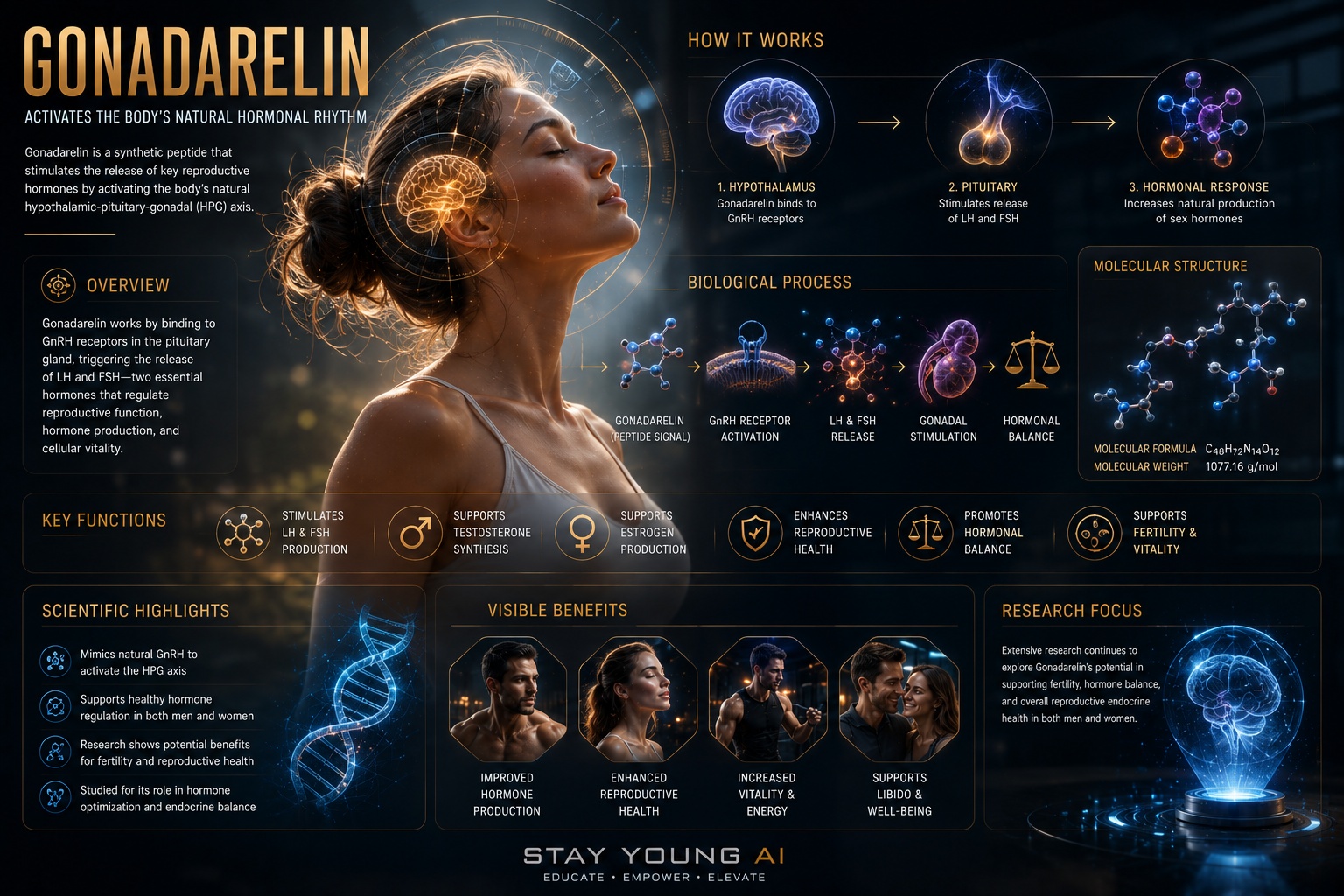
One peptide that has gained attention for its potential role in hormonal recovery is Gonadorelin, a synthetic form of gonadotropin-releasing hormone (GnRH). Rather than directly stimulating the testes like human chorionic gonadotropin (HCG), Gonadorelin works higher in the hormonal pathway by signaling the pituitary gland to release luteinizing hormone (LH) and follicle-stimulating hormone (FSH). This mechanism has led researchers and clinicians to investigate whether Gonadorelin may help restore the body’s natural hormonal communication following suppression.

In this guide, we’ll discuss:

  • What Gonadorelin is
  • How it works during hormonal recovery
  • Potential benefits for bodybuilders
  • Limitations and risks
  • Comparisons with other PCT options
  • Legal status
  • Current research

What Is Gonadorelin?

Gonadorelin is a synthetic analogue of gonadotropin-releasing hormone (GnRH), the hormone naturally produced by the hypothalamus that initiates reproductive hormone production.

After release, GnRH stimulates the pituitary gland to produce:

  • Luteinizing hormone (LH)
  • Follicle-stimulating hormone (FSH)

These hormones then stimulate the testes to produce testosterone and support sperm production.

Unlike compounds that directly replace LH activity, Gonadorelin encourages the body’s own endocrine system to resume normal hormonal signaling.

Clinically, Gonadorelin has been used for:

  • Diagnostic evaluation of pituitary function
  • Treatment of selected reproductive disorders
  • Certain forms of infertility

Its ability to activate the HPG axis has generated interest among athletes seeking physiological hormone recovery.


Why Hormonal Recovery Matters After a Steroid Cycle

During an anabolic steroid cycle, external androgens suppress the body’s natural hormone production through negative feedback.

This suppression reduces:

  • GnRH release
  • LH secretion
  • FSH secretion
  • Endogenous testosterone production

As testosterone levels remain low after discontinuing anabolic steroids, individuals may experience:

  • Loss of muscle mass
  • Decreased strength
  • Fatigue
  • Reduced libido
  • Mood changes
  • Poor recovery
  • Fertility concerns

The goal of post-cycle therapy (PCT) is to help restore normal endocrine function as efficiently as possible.


How Gonadorelin Works During Hormonal Recovery

Unlike HCG, which bypasses the brain and directly stimulates the testes, Gonadorelin acts at the pituitary level.

Its mechanism includes:

  • Binding to GnRH receptors
  • Stimulating LH release
  • Stimulating FSH release
  • Reactivating testicular testosterone production
  • Supporting spermatogenesis

Because it restores hormone production from the top of the HPG axis, Gonadorelin attempts to re-establish the body’s natural hormonal communication rather than simply replacing one signal.


Pulsatile Hormone Signaling

Under normal physiology, GnRH is released in pulses.

This pulsatile pattern is essential because:

  • It maintains pituitary responsiveness.
  • It preserves normal LH and FSH secretion.
  • It prevents receptor desensitization.

Continuous exposure to Gonadorelin can actually suppress LH and FSH release instead of stimulating it, highlighting the importance of carefully controlled administration in medical settings.


Potential Benefits for Bodybuilders

Although research specifically involving bodybuilders remains limited, several theoretical benefits have been proposed.

Supports Natural Testosterone Recovery

By stimulating LH production, Gonadorelin may encourage:

  • Endogenous testosterone production
  • Restoration of hormonal balance
  • Recovery of endocrine function

This differs from therapies that directly replace hormonal signals without reactivating the upstream endocrine pathway.


Helps Preserve Muscle Mass

Maintaining normal testosterone levels during recovery may reduce the likelihood of:

  • Muscle loss
  • Strength decline
  • Reduced training capacity

Preserving hormonal balance supports continued resistance training and recovery following a cycle.


Supports Fertility

Because Gonadorelin stimulates both LH and FSH, it may also support:

  • Spermatogenesis
  • Testicular function
  • Reproductive hormone recovery

This broader endocrine stimulation distinguishes it from therapies that primarily increase testosterone alone.


Physiological Hormone Restoration

Rather than bypassing the HPG axis, Gonadorelin attempts to restore normal communication between:

  • Hypothalamus
  • Pituitary gland
  • Testes

This physiological approach continues to be investigated for long-term hormonal recovery.


Challenges and Limitations

Despite its theoretical advantages, Gonadorelin presents several practical limitations.

Extremely Short Half-Life

Gonadorelin remains active for only a short period.

Because of this:

  • Frequent administration is required.
  • Pulsatile delivery is preferred.
  • Clinical use often involves specialized infusion pumps.

These logistical challenges limit its practicality outside supervised medical settings.


Limited Research in Bodybuilders

Most available studies involve:

  • Fertility medicine
  • Endocrinology
  • Diagnostic hormone testing

Large clinical trials evaluating Gonadorelin specifically for post-cycle recovery in athletes have not yet been performed.


Side Effects and Safety

Reported adverse effects are generally mild but may include:

  • Headache
  • Dizziness
  • Flushing
  • Injection site irritation
  • Mild nausea

One important concern is receptor desensitization.

If Gonadorelin is administered continuously rather than in physiological pulses, pituitary responsiveness may decrease, reducing LH and FSH secretion instead of increasing it.


Gonadorelin vs Other Post-Cycle Therapy Options

Gonadorelin vs HCG

Gonadorelin

  • Stimulates pituitary function
  • Restores natural LH and FSH production
  • Supports physiological HPG recovery

HCG

  • Mimics LH directly
  • Stimulates testosterone rapidly
  • Bypasses pituitary signaling

While HCG provides faster testicular stimulation, Gonadorelin attempts to restore the entire hormonal signaling pathway.


Gonadorelin vs SERMs

Selective estrogen receptor modulators (SERMs), such as Clomiphene (Clomid) and Tamoxifen (Nolvadex), remain among the most commonly used medications in medically supervised post-cycle therapy.

Compared with Gonadorelin:

SERMs

  • Oral administration
  • Extensive clinical experience
  • Well-established protocols

Gonadorelin

  • Injectable
  • Short half-life
  • More physiological hormone stimulation
  • Greater administration complexity

Because of these practical differences, SERMs remain more commonly used in clinical practice.


Supporting Hormonal Recovery

In addition to medically supervised therapies, recovery after hormonal suppression generally benefits from supportive lifestyle measures such as:

  • Consistent sleep
  • Adequate protein intake
  • Resistance training with appropriate recovery
  • Stress management
  • Meeting nutritional requirements

These strategies help support overall endocrine health while the HPG axis recovers.


Legal Status

Gonadorelin is a prescription-only medication approved for specific diagnostic and reproductive indications.

Current status includes:

  • FDA-approved for selected medical uses
  • Not approved for bodybuilding
  • Not approved specifically for post-cycle therapy
  • Available only under medical supervision in approved settings

Products marketed through research peptide suppliers are generally labeled “for research use only”, and their purity and quality cannot be guaranteed.


Conclusion

Gonadorelin offers a unique approach to hormonal recovery by stimulating the body’s natural production of LH and FSH rather than directly replacing these hormones. This upstream mechanism has generated interest among researchers investigating more physiological methods of restoring endocrine function after hormonal suppression. Potential advantages include support for natural testosterone production, fertility, and broader HPG axis recovery.

However, important limitations remain. Gonadorelin’s extremely short half-life, need for pulsatile administration, and limited research in bodybuilding populations make it a complex option compared with more established therapies. At present, its role in post-cycle recovery remains experimental, and individuals considering hormone-related treatment should do so only under the guidance of a qualified healthcare professional.

Back to all posts
Hormone / Libido Support

Gonadorelin for Bodybuilders: Post-Cycle Therapy and Hormonal Recovery

June 26, 2026

For bodybuilders and performance athletes, completing an anabolic steroid cycle is only part of the process. Equally important is restoring the body’s natural testosterone production after exogenous hormones have suppressed the hypothalamic-pituitary-gonadal (HPG) axis. Without an effective recovery strategy, suppressed hormone levels can contribute to muscle loss, reduced strength, fatigue, low libido, mood disturbances, and prolonged endocrine dysfunction.

One peptide that has gained attention for its potential role in hormonal recovery is Gonadorelin, a synthetic form of gonadotropin-releasing hormone (GnRH). Rather than directly stimulating the testes like human chorionic gonadotropin (HCG), Gonadorelin works higher in the hormonal pathway by signaling the pituitary gland to release luteinizing hormone (LH) and follicle-stimulating hormone (FSH). This mechanism has led researchers and clinicians to investigate whether Gonadorelin may help restore the body’s natural hormonal communication following suppression.

In this guide, we’ll discuss:

  • What Gonadorelin is
  • How it works during hormonal recovery
  • Potential benefits for bodybuilders
  • Limitations and risks
  • Comparisons with other PCT options
  • Legal status
  • Current research

What Is Gonadorelin?

Gonadorelin is a synthetic analogue of gonadotropin-releasing hormone (GnRH), the hormone naturally produced by the hypothalamus that initiates reproductive hormone production.

After release, GnRH stimulates the pituitary gland to produce:

  • Luteinizing hormone (LH)
  • Follicle-stimulating hormone (FSH)

These hormones then stimulate the testes to produce testosterone and support sperm production.

Unlike compounds that directly replace LH activity, Gonadorelin encourages the body’s own endocrine system to resume normal hormonal signaling.

Clinically, Gonadorelin has been used for:

  • Diagnostic evaluation of pituitary function
  • Treatment of selected reproductive disorders
  • Certain forms of infertility

Its ability to activate the HPG axis has generated interest among athletes seeking physiological hormone recovery.


Why Hormonal Recovery Matters After a Steroid Cycle

During an anabolic steroid cycle, external androgens suppress the body’s natural hormone production through negative feedback.

This suppression reduces:

  • GnRH release
  • LH secretion
  • FSH secretion
  • Endogenous testosterone production

As testosterone levels remain low after discontinuing anabolic steroids, individuals may experience:

  • Loss of muscle mass
  • Decreased strength
  • Fatigue
  • Reduced libido
  • Mood changes
  • Poor recovery
  • Fertility concerns

The goal of post-cycle therapy (PCT) is to help restore normal endocrine function as efficiently as possible.


How Gonadorelin Works During Hormonal Recovery

Unlike HCG, which bypasses the brain and directly stimulates the testes, Gonadorelin acts at the pituitary level.

Its mechanism includes:

  • Binding to GnRH receptors
  • Stimulating LH release
  • Stimulating FSH release
  • Reactivating testicular testosterone production
  • Supporting spermatogenesis

Because it restores hormone production from the top of the HPG axis, Gonadorelin attempts to re-establish the body’s natural hormonal communication rather than simply replacing one signal.


Pulsatile Hormone Signaling

Under normal physiology, GnRH is released in pulses.

This pulsatile pattern is essential because:

  • It maintains pituitary responsiveness.
  • It preserves normal LH and FSH secretion.
  • It prevents receptor desensitization.

Continuous exposure to Gonadorelin can actually suppress LH and FSH release instead of stimulating it, highlighting the importance of carefully controlled administration in medical settings.


Potential Benefits for Bodybuilders

Although research specifically involving bodybuilders remains limited, several theoretical benefits have been proposed.

Supports Natural Testosterone Recovery

By stimulating LH production, Gonadorelin may encourage:

  • Endogenous testosterone production
  • Restoration of hormonal balance
  • Recovery of endocrine function

This differs from therapies that directly replace hormonal signals without reactivating the upstream endocrine pathway.


Helps Preserve Muscle Mass

Maintaining normal testosterone levels during recovery may reduce the likelihood of:

  • Muscle loss
  • Strength decline
  • Reduced training capacity

Preserving hormonal balance supports continued resistance training and recovery following a cycle.


Supports Fertility

Because Gonadorelin stimulates both LH and FSH, it may also support:

  • Spermatogenesis
  • Testicular function
  • Reproductive hormone recovery

This broader endocrine stimulation distinguishes it from therapies that primarily increase testosterone alone.


Physiological Hormone Restoration

Rather than bypassing the HPG axis, Gonadorelin attempts to restore normal communication between:

  • Hypothalamus
  • Pituitary gland
  • Testes

This physiological approach continues to be investigated for long-term hormonal recovery.


Challenges and Limitations

Despite its theoretical advantages, Gonadorelin presents several practical limitations.

Extremely Short Half-Life

Gonadorelin remains active for only a short period.

Because of this:

  • Frequent administration is required.
  • Pulsatile delivery is preferred.
  • Clinical use often involves specialized infusion pumps.

These logistical challenges limit its practicality outside supervised medical settings.


Limited Research in Bodybuilders

Most available studies involve:

  • Fertility medicine
  • Endocrinology
  • Diagnostic hormone testing

Large clinical trials evaluating Gonadorelin specifically for post-cycle recovery in athletes have not yet been performed.


Side Effects and Safety

Reported adverse effects are generally mild but may include:

  • Headache
  • Dizziness
  • Flushing
  • Injection site irritation
  • Mild nausea

One important concern is receptor desensitization.

If Gonadorelin is administered continuously rather than in physiological pulses, pituitary responsiveness may decrease, reducing LH and FSH secretion instead of increasing it.


Gonadorelin vs Other Post-Cycle Therapy Options

Gonadorelin vs HCG

Gonadorelin

  • Stimulates pituitary function
  • Restores natural LH and FSH production
  • Supports physiological HPG recovery

HCG

  • Mimics LH directly
  • Stimulates testosterone rapidly
  • Bypasses pituitary signaling

While HCG provides faster testicular stimulation, Gonadorelin attempts to restore the entire hormonal signaling pathway.


Gonadorelin vs SERMs

Selective estrogen receptor modulators (SERMs), such as Clomiphene (Clomid) and Tamoxifen (Nolvadex), remain among the most commonly used medications in medically supervised post-cycle therapy.

Compared with Gonadorelin:

SERMs

  • Oral administration
  • Extensive clinical experience
  • Well-established protocols

Gonadorelin

  • Injectable
  • Short half-life
  • More physiological hormone stimulation
  • Greater administration complexity

Because of these practical differences, SERMs remain more commonly used in clinical practice.


Supporting Hormonal Recovery

In addition to medically supervised therapies, recovery after hormonal suppression generally benefits from supportive lifestyle measures such as:

  • Consistent sleep
  • Adequate protein intake
  • Resistance training with appropriate recovery
  • Stress management
  • Meeting nutritional requirements

These strategies help support overall endocrine health while the HPG axis recovers.


Legal Status

Gonadorelin is a prescription-only medication approved for specific diagnostic and reproductive indications.

Current status includes:

  • FDA-approved for selected medical uses
  • Not approved for bodybuilding
  • Not approved specifically for post-cycle therapy
  • Available only under medical supervision in approved settings

Products marketed through research peptide suppliers are generally labeled “for research use only”, and their purity and quality cannot be guaranteed.


Conclusion

Gonadorelin offers a unique approach to hormonal recovery by stimulating the body’s natural production of LH and FSH rather than directly replacing these hormones. This upstream mechanism has generated interest among researchers investigating more physiological methods of restoring endocrine function after hormonal suppression. Potential advantages include support for natural testosterone production, fertility, and broader HPG axis recovery.

However, important limitations remain. Gonadorelin’s extremely short half-life, need for pulsatile administration, and limited research in bodybuilding populations make it a complex option compared with more established therapies. At present, its role in post-cycle recovery remains experimental, and individuals considering hormone-related treatment should do so only under the guidance of a qualified healthcare professional.