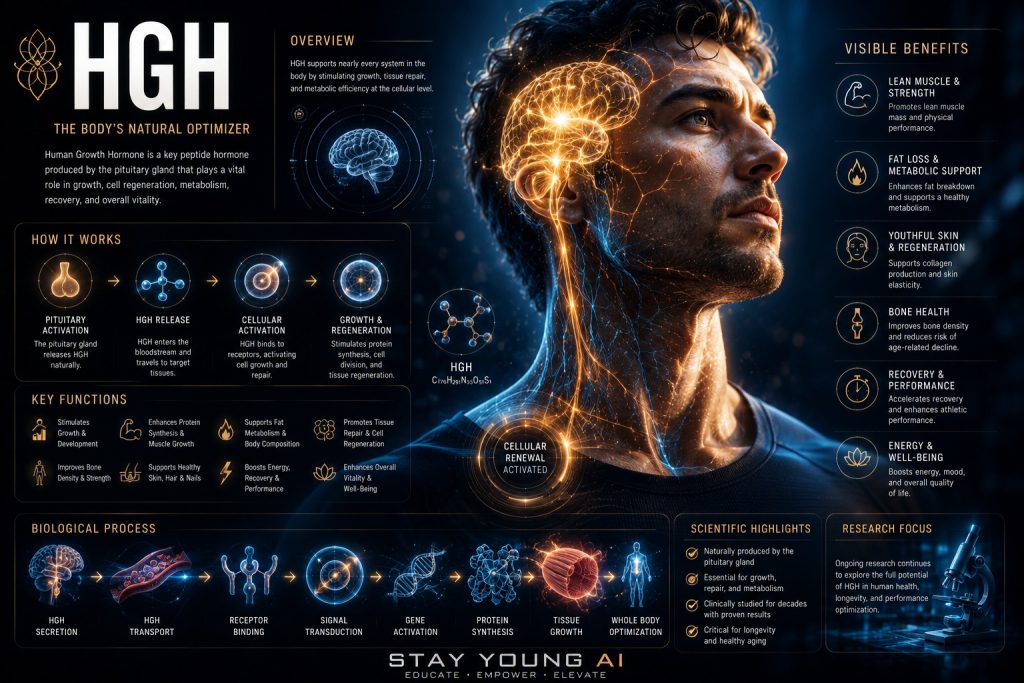
Human Growth Hormone (HGH), also known as somatotropin, is one of the body’s most important anabolic hormones. Produced naturally by the pituitary gland, HGH regulates growth, tissue repair, metabolism, body composition, and cellular regeneration throughout life. While it is essential for childhood development, its influence extends well into adulthood by supporting muscle maintenance, bone density, fat metabolism, exercise recovery, and overall metabolic health.
In recent decades, HGH has become one of the most discussed hormones in medicine, sports performance, and longevity research. Clinically, growth hormone replacement therapy has transformed the treatment of growth hormone deficiency and several endocrine disorders. Outside of medicine, however, HGH has gained popularity for its proposed anti-aging and physique-enhancing effects—applications that remain controversial due to significant safety concerns and limited evidence in healthy individuals.
In this comprehensive guide, we’ll explore:
- What Human Growth Hormone is
- How HGH works
- The role of IGF-1
- Medical uses
- Potential benefits
- Side effects and risks
- Performance enhancement
- Current research
- Legal status
What Is Human Growth Hormone (HGH)?
Human Growth Hormone (HGH), also called human growth hormone (hGH) or somatotropin, is a naturally occurring peptide hormone produced by the anterior pituitary gland, located beneath the hypothalamus at the base of the brain.
HGH is secreted in pulses throughout the day, with the largest releases occurring during:
- Deep sleep
- Intense exercise
- Fasting
- Recovery from physical stress
Its primary roles include:
- Growth during childhood and adolescence
- Muscle maintenance
- Bone remodeling
- Fat metabolism
- Cellular repair
- Organ maintenance
- Tissue regeneration
Unlike many hormones that act directly on target tissues, much of HGH’s activity occurs indirectly through the production of insulin-like growth factor-1 (IGF-1).
How HGH Works
HGH functions through a coordinated hormonal signaling system.
After being released from the pituitary gland, HGH binds to receptors throughout the body, triggering several biological responses.
One of its most important actions is stimulating the liver to produce IGF-1, which carries out many of HGH’s anabolic effects.
Together, HGH and IGF-1 regulate:
- Protein synthesis
- Muscle growth
- Bone formation
- Fat utilization
- Cellular regeneration
- Tissue repair
This partnership allows HGH to influence nearly every major organ system.
The HGH–IGF-1 Axis
The Growth Hormone–IGF-1 axis is one of the body’s primary anabolic pathways.
The sequence follows this pattern:
- The hypothalamus releases growth hormone-releasing hormone (GHRH).
- The pituitary secretes HGH.
- HGH stimulates the liver.
- The liver produces IGF-1.
- IGF-1 promotes tissue growth and repair.
IGF-1 is responsible for many of the long-term effects associated with growth hormone, including:
- Muscle hypertrophy
- Bone mineralization
- Connective tissue repair
- Cellular proliferation
Because IGF-1 levels reflect overall HGH activity, clinicians often measure IGF-1 when evaluating growth hormone disorders.
What Does HGH Do?
Growth hormone influences numerous physiological systems.
Muscle Growth
HGH promotes:
- Protein synthesis
- Lean body mass
- Recovery after exercise
- Muscle repair
Its anabolic effects help maintain muscle tissue throughout adulthood, particularly when combined with resistance training and adequate nutrition.
Fat Metabolism
One of HGH’s major metabolic actions is stimulating lipolysis, the breakdown of stored body fat.
Potential effects include:
- Increased fat utilization
- Reduced fat storage
- Improved body composition
- Greater energy availability during fasting and exercise
These actions have contributed to HGH’s popularity in body composition research.
Bone Health
HGH supports skeletal integrity by stimulating:
- Osteoblast activity
- Bone remodeling
- Bone mineral density
These effects are particularly important during growth and may help preserve bone health later in life.
Tissue Repair
Growth hormone plays an important role in healing by promoting:
- Connective tissue repair
- Collagen synthesis
- Cellular regeneration
- Recovery after injury
These regenerative properties explain why HGH continues to be investigated in rehabilitation and recovery medicine.
Metabolism
HGH influences:
- Glucose metabolism
- Protein turnover
- Fat oxidation
- Energy balance
Because of its complex interactions with insulin, careful monitoring is essential during medically supervised HGH therapy.
Medical Uses of HGH
Growth hormone replacement therapy is approved for several medical conditions.
Common indications include:
- Growth hormone deficiency
- Pediatric growth disorders
- Turner syndrome
- Chronic kidney disease affecting growth
- HIV-associated muscle wasting
- Selected adult growth hormone deficiency
When prescribed appropriately, HGH therapy can significantly improve quality of life in individuals with documented deficiency.
Potential Benefits of HGH Therapy
For patients with confirmed HGH deficiency, treatment may provide several clinically meaningful benefits.
Potential improvements include:
- Increased lean body mass
- Reduced body fat
- Better bone density
- Enhanced exercise capacity
- Improved recovery
- Increased energy
- Better quality of life
Many patients also report improvements in mood, vitality, and overall well-being after medically supervised treatment.
HGH and Athletic Performance
Growth hormone has long attracted attention within sports and bodybuilding because of its anabolic and metabolic effects.
Researchers have investigated HGH for its potential to influence:
- Recovery
- Lean body mass
- Fat loss
- Connective tissue repair
However, evidence suggests that although HGH may increase lean body mass, improvements in strength, power, or athletic performance in healthy individuals are generally modest and inconsistent.
Furthermore, HGH is prohibited in competitive sports by the World Anti-Doping Agency (WADA).
Side Effects and Risks
Although HGH provides clear benefits for patients with true deficiency, inappropriate use can produce significant adverse effects.
Common side effects include:
- Fluid retention
- Joint pain
- Muscle stiffness
- Swelling of the hands and feet
- Carpal tunnel syndrome
- Headache
Most mild side effects improve with dose adjustment under medical supervision.
Long-Term Safety Concerns
Higher doses or prolonged non-medical use may increase the risk of:
- Insulin resistance
- Type 2 diabetes
- Elevated blood glucose
- Enlargement of internal organs (visceromegaly)
- Cardiovascular complications
Because HGH stimulates IGF-1 production, researchers continue investigating whether prolonged elevations may influence abnormal cell growth in susceptible individuals. Current evidence remains inconclusive but warrants caution.
Who Should Receive HGH?
Growth hormone therapy is intended for individuals with documented medical need—not for healthy aging or cosmetic purposes.
Before treatment, physicians typically evaluate:
- Symptoms
- Medical history
- IGF-1 levels
- Growth hormone stimulation tests
- Overall endocrine function
Treatment decisions should always be individualized and supervised by an endocrinologist or other qualified healthcare professional.
Legal Status
Human Growth Hormone is a prescription-only medication in most countries.
Current regulatory status:
- FDA-approved for specific medical conditions
- Prescription required
- Illegal for cosmetic or performance-enhancing use without a valid medical indication in many jurisdictions
- Prohibited by WADA in competitive sports
Use outside approved medical indications may carry legal and health risks.
Current Research
Researchers continue investigating HGH in several areas, including:
- Healthy aging
- Sarcopenia
- Rehabilitation
- Body composition
- Bone health
- Metabolic disease
- Tissue regeneration
While promising findings exist for patients with deficiency, evidence supporting HGH as an anti-aging therapy in healthy adults remains limited, and the potential risks often outweigh the uncertain benefits.
Conclusion
Human Growth Hormone is one of the body’s most important anabolic hormones, influencing growth, metabolism, tissue repair, and overall physiological health throughout life. Through its interaction with IGF-1, HGH supports muscle maintenance, bone density, fat metabolism, and cellular regeneration, making it an essential component of normal human development and adult health.
For individuals with documented growth hormone deficiency, medically supervised HGH therapy can provide meaningful improvements in body composition, physical function, and quality of life. However, its growing popularity for anti-aging, bodybuilding, and performance enhancement has also highlighted significant safety concerns, including insulin resistance, fluid retention, organ enlargement, and other long-term risks.
Although HGH remains one of the most powerful therapeutic hormones available in modern endocrinology, it is not a shortcut to youth or athletic excellence. Responsible, evidence-based use under qualified medical supervision remains the safest and most effective approach to harnessing its therapeutic potential.